

What It All Means (Or: How Planning Became a Conversation)
A Bucket List Trip, Powered by AI | Part Six

Last year, I planned a bucket list vacation with the help of AI… a 25th anniversary trip five years in the making. This is the conclusion of a six-part series about planning, adventure, manta rays, and learning to think out loud with a machine. Start from the beginning here.
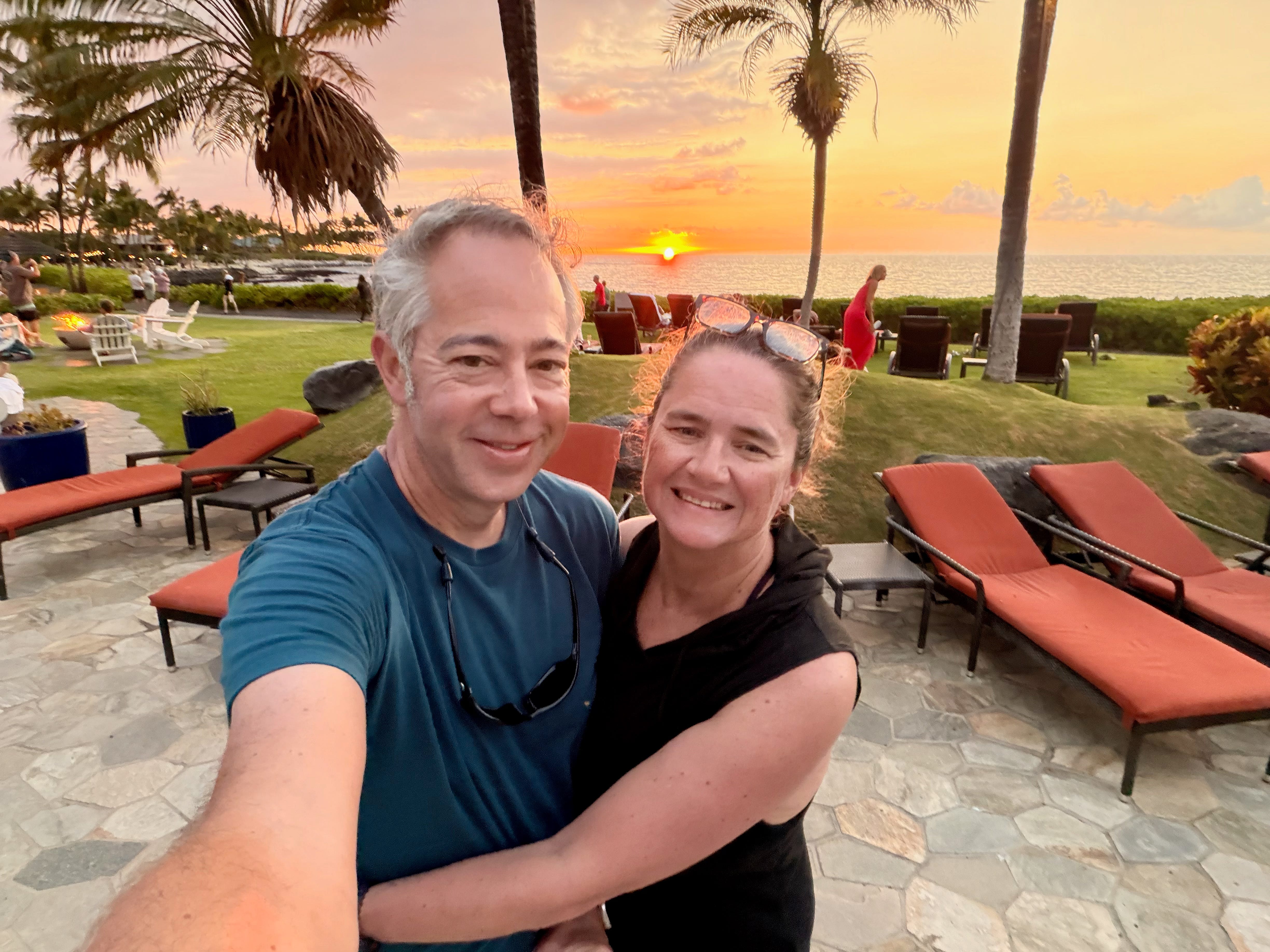
We flew home on a red-eye through Phoenix, landed in Charlotte on Monday afternoon, and walked back into our normal lives.
The trip was over. But I kept thinking about how it had come together.
Not just the places we’d stayed or the things we’d done, but the process of planning it. How different it felt from every other trip I’d planned before.
I’ve always been a planner. Always done the research myself. And for years, that meant drowning in information.
Open twenty tabs. Read conflicting reviews. Fall down rabbit holes on Reddit. Spend three hours comparing hotels and end up more confused than when I started. The internet gave us access to everything, but it never helped us decide. It just gave us more reasons to second-guess ourselves.
This time felt different because planning wasn’t about gathering information. It was about having a conversation.
I’d tell ChatGPT what we wanted... adventure and relaxation, hiking and beaches, something that felt special for a milestone anniversary. And instead of dumping a list of links at me, it would ask questions back.
How long are you thinking?
Do you want to start with the active part or save it for the end?
You mentioned you like less crowded places... does that apply to lodging too, or just activities?
It remembered what I’d said three weeks earlier and used that context to shape suggestions now. It didn’t just answer my questions... it helped me ask better ones.
And slowly, through that back-and-forth, a plan emerged that made sense. Not because AI made the decisions for me, but because it helped me think more clearly about what I actually wanted.
Here’s what AI did for this trip:
It synthesized information I never could’ve processed on my own. Every article, every review, every forum post, every guidebook. It had access to all of it and could pull out the relevant pieces without me having to read hundreds of pages.
It asked follow-up questions that forced me to clarify what mattered. When I said I wanted a “White Lotus vibe” for the resort, it didn’t just guess. It asked what that meant to me and used the answer to narrow down options.
It helped with logistics in ways that saved hours of work. The anniversary drive from Volcano to the Fairmont? I told it what time we could leave and what time we needed to arrive, and it mapped out a route with lunch and waterfalls that hit the timing perfectly.
It was always there. On the trip itself, we used ChatGPT and Perplexity constantly. Identifying flowers and birds, answering random questions about how cruise ships store their tenders, checking sunset times for our anniversary dinner, even helping us decode weather forecasts when we needed to figure out which beach to hit.
But here’s what it didn’t do:
It didn’t book anything. I still had to go to hotel websites, compare photos, read cancellation policies, and click “reserve.”
It didn’t make the final calls. I decided the Fairmont was worth the extra money. I decided we should do Volcano first. I decided to book the manta ray tour even though I had no idea what I was signing up for.
It didn’t replace the experience. The tools helped us get there and stay organized, but they didn’t hike the Kīlauea Iki crater for us. They didn’t float in the dark Pacific with rays gliding underneath. They didn’t watch the sunset from Brown’s Beach House.
The trip still required us to show up, make choices, and be present for the moments that mattered.
What changed wasn’t the destination or even the itinerary.
What changed was how I felt during the planning process.
Usually, planning a big trip fills me with low-level anxiety. Did I pick the right hotel? Should I have spent more time researching activities? Did I miss something better? The decisions never feel confident. They just feel like the best I could do with limited time and too much information.
This time, I felt confident. Not because AI told me I’d made the right choices, but because the process itself felt more thoughtful. I wasn’t just reacting to whatever popped up first in a Google search. I was thinking through trade-offs, asking questions, iterating over time.
By the time we boarded the plane, I wasn’t second-guessing anything. I wasn’t lying awake wondering if we should’ve stayed somewhere else or structured the trip differently.
I felt ready. Excited. Sure that the plan made sense for us, not just for some generic traveler reading a “Top 10” listicle.
There’s a bigger shift happening here, and it’s not just about travel.
For years, the internet gave us access to infinite information but no help making sense of it. Search engines pointed us toward answers, but they didn’t help us think. We had more options than ever and less clarity about which ones actually mattered.
AI changes that. Not by making decisions for us, but by helping us have better conversations with ourselves about what we actually want.
It’s not a replacement for judgment. It’s a tool for thinking more clearly.
And that’s what I didn’t expect when I opened ChatGPT back in March and asked about the weather in Mauritius. I thought I was looking for information. What I found was a way to organize my thinking that didn’t bury me in tabs and reviews and endless second-guessing.
The trip was incredible. The Volcano Village Lodge exceeded every expectation. The Fairmont gave us exactly the kind of relaxing, open-air resort experience we’d hoped for. The manta rays were terrifying and magical. The snorkeling at that beach north of the resort might’ve been my favorite hour of the whole trip.
But more than any individual moment, what I’ll remember is how the whole thing felt.
It felt like we’d made a plan that actually fit us. It felt like we’d committed to something and followed through without constantly wondering if we’d made the wrong call. It felt like we’d celebrated twenty-five years of marriage in a way that honored both who we are now and the adventures we still want to have.
And it felt possible because planning didn’t feel like drowning anymore.
So yes, I’ll use AI for future trip planning.
Not because it’s perfect or because it removes all the work. But because it changes the nature of the work from exhausting to collaborative. From paralyzing to clarifying.
The next time I need to plan a trip, I’ll skip the tabs and the endless reviews and the Reddit rabbit holes. I’ll open a conversation instead of a search engine.
I’ll start by asking a simple question.
And I’ll trust that the process (the back-and-forth, the clarifying, the iterating) will lead me somewhere worth going.
End
Thanks for reading this six-part series about planning a trip to Hawaii with AI. If you’ve ever felt overwhelmed by travel planning, or any kind of planning, I’d love to hear how you’ve approached it. Hit reply or leave a comment.
And if you’re thinking about trying AI for your next trip, my advice is simple: don’t ask it to plan the trip. Ask it to help you think about what you actually want. The rest will follow.